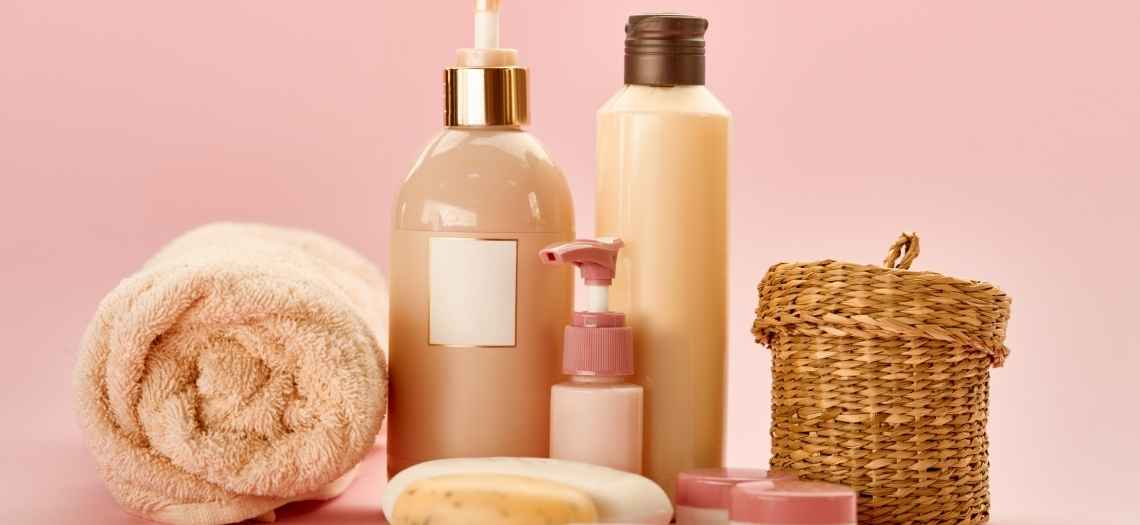
Bundles make a lot of sense for beauty brands. Customers already shop in routines, whether they are building a skincare regimen, pairing shampoo with conditioner, or buying a gift set instead of choosing products one at a time.
For the brand, there is an obvious upside. A well-built bundle can increase average order value, introduce customers to more products, and give slower-moving inventory another path out of the warehouse.
The problem starts after the offer is built. Every bundle adds another relationship between SKUs, inventory, packaging, pricing, and fulfillment. If those pieces are not planned together, a promotion that performs well on the storefront can create stock problems or extra warehouse work behind the scenes.
The best beauty bundles are built with both merchandising and execution in mind.
Start With Products Customers Already Buy Together
Good bundles usually reflect how customers use the products, rather than how the brand happens to organize its catalog. A cleanser, serum, and moisturizer make sense because they form a routine. Shampoo and conditioner belong together without much explanation. A makeup starter kit might combine a few essentials with an applicator or cosmetic bag.
Beauty brands have plenty of options, including skincare routines, discovery sets, travel kits, seasonal gift sets, haircare systems, makeup collections, and product-and-accessory combinations.
Before finalizing the products, though, look beyond the merchandising concept. A bundle built around a SKU that is frequently low on stock can become difficult to keep available. If one product has a much longer replenishment cycle than the others, it may control how many complete sets you can sell.
Review the sales velocity, available inventory, replenishment timing, shelf life, packaging requirements, and standalone demand for every SKU in the set. That gives you a better picture of whether the bundle can stay in stock without creating problems elsewhere in the assortment.
Price the Bundle Around Margin, Not Just AOV
Discounting is one way to make a bundle appealing, but it should not be the default strategy. Beauty customers may value the convenience of a complete routine, curated selection, gift-ready package, or exclusive combination even when the savings are modest. That gives you room to test the offer instead of immediately using a large percentage discount.
Start with the combined retail value of the products and then look at the complete cost of fulfilling the bundle. Depending on the format, that may include assembly labor, custom packaging, inserts, labels, additional storage, or a change in parcel size and shipping cost. A bundle can raise average order value while producing less margin than expected if those costs are ignored.
There are other ways to build value. You can include a sample, add a lower-cost accessory, create a bundle-only size, offer exclusive packaging, or use the set to help customers reach a free-shipping threshold.
AOV matters, but the better question is whether the bundle improves the economics of the order.
Decide Whether to Pre-Kit or Build Bundles on Demand
One of the most important operational decisions is when the bundle gets assembled.
With pre-kitting, the products are combined before customer orders arrive. This works especially well for gift sets, retail-ready packages, subscription boxes, seasonal collections, and promotions with predictable volume. The warehouse can pick one finished kit instead of several individual products, which can simplify fulfillment once orders start coming in. The tradeoff is that inventory has already been committed to the bundle.
On-demand kitting keeps the components available as individual SKUs until an order is placed. The warehouse picks each product and packs the complete bundle according to the order instructions. This can give you more flexibility when the same products are selling individually and through several bundle configurations. It also means the kitting process becomes part of daily pick and pack, so instructions and accuracy matter more.
There is no universal answer. Order volume, promotion length, component availability, packaging, labor requirements, and how frequently the bundle changes should determine the workflow.
Give the Warehouse Clear Kitting Instructions
Cosmetic kitting can become surprisingly detailed. A standard skincare set may use three products in a branded box. A holiday version of that same set could add tissue, a sample, a promotional insert, a sleeve, and different presentation requirements. Those details cannot live only with the ecommerce or marketing team.
The warehouse should have a defined specification for each bundle that covers the correct SKUs and quantities, packaging materials, inserts, labeling, product placement, presentation requirements, and quality checks. If substitutions are permitted, establish the rules before orders begin. If the bundle has to be packed exactly as designed, that should be just as clear.
This becomes especially important around product drops, gifting periods, influencer promotions, and other campaigns that can create a sharp increase in volume. Clear workflows make it easier to add labor without changing the finished product customers receive.
Keep Bundle and Component Inventory Connected
Bundles create a different inventory problem because the available quantity is determined by the component with the least usable stock. If a skincare bundle contains a cleanser, serum, and moisturizer, having 1,000 cleansers does not help when only 200 moisturizers are available. You can build no more than 200 complete sets, and potentially fewer if customers are also buying the moisturizer individually.
That means your team needs visibility into both the bundle and the products inside it. Watch component inventory, standalone demand, units committed to pre-kitted sets, bundle sell-through, replenishment dates, and weeks of supply together rather than treating the bundle like an isolated SKU.
This is particularly important for brands selling across DTC, marketplaces, wholesale, retail, or subscription programs. Several channels may be pulling from the same underlying products even though customers see very different offers.
The goal is to avoid selling a bundle you cannot complete while also preventing one component from leaving excess inventory stranded elsewhere.
Look Beyond Bundle Sell-Through
A successful bundle should not be judged by bundle sales alone. Look at what the offer is doing to the rest of the assortment. A bundle may be helping move an aging SKU, which can be valuable even if that product is not a strong seller on its own. Another bundle might burn through a hero product so quickly that the brand creates a stockout on its highest-margin individual item.
Review bundle performance alongside component sell-through, inventory age, standalone sales, margin, and replenishment lead times. That gives merchandising and operations a better basis for deciding whether to keep promoting the bundle, adjust the product mix, reorder earlier, or retire it.
Make Fulfillment Part of the Bundle Strategy
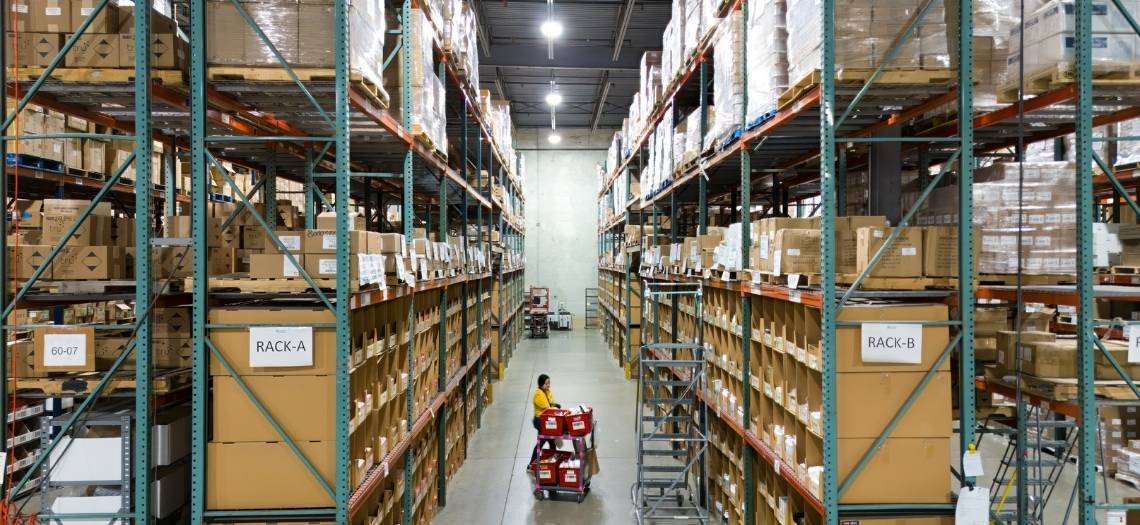
The customer sees one product offer. Your fulfillment team may see three SKUs, special packaging, an insert, a promotion-specific rule, and inventory that is also needed for other orders. That difference is why beauty bundle fulfillment needs to be considered before the campaign launches.
MAI supports beauty brands with custom kitting and assembly, barcode-driven fulfillment workflows, real-time inventory visibility, custom packing requirements, and ecommerce integrations. Beauty brands can use those capabilities for everything from skincare routines and discovery sets to promotional kits and seasonal gift boxes.
The merchandising idea should still lead the offer. Operations simply needs to make sure the brand can keep delivering it accurately when sales take off.
Build Beauty Bundles That Can Scale
Beauty bundles can increase AOV, help move inventory, and make shopping easier for customers. The strongest programs also account for what happens after someone clicks Add to Cart. When product selection, pricing, inventory, kitting, and fulfillment are planned together, bundles become much easier to repeat and scale.
If your next launch, gift set, or skincare bundle needs a fulfillment process that can keep pace, MAI can help you build the workflow behind it.