Barcode Basics for DTC, Amazon, Retail, and 3PL Fulfillment

Ecommerce Barcode Guide

Barcodes are one of the most important pieces of fulfillment infrastructure. The right barcode setup improves inventory accuracy, speeds up receiving, and reduces costly fulfillment mistakes.

Improve Accuracy

Fewer receiving and shipping errors

Save Time

Faster scanning and order processing

Stay Compliant

Meet retailer and marketplace requirements

Reduce Costs

Avoid charge-backs, fees, and delays

How Ecommerce Brands Use Barcodes
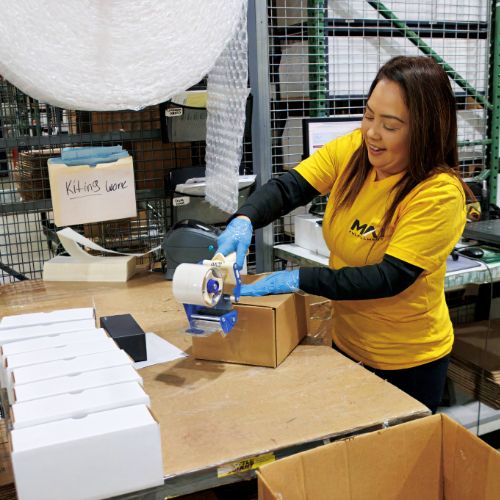
DTC Fulfillment by MAI Fulfillment Staff Member

Most growing ecommerce brands start with simple product barcodes, but fulfillment operations quickly become more sophisticated as order volume increases.

Barcodes help warehouses identify products, verify inventory counts, track movements, and confirm orders before they ship. They also create accountability throughout the fulfillment process by reducing manual data entry and improving inventory visibility.

Common barcode applications include:

  • Product identification
  • Inventory receiving
  • Warehouse location tracking
  • Order picking verification
  • Carton labeling
  • Amazon FBA preparation
  • Retail compliance labeling
  • Returns processing

When barcode systems are implemented correctly, warehouses can process inventory faster while maintaining higher levels of accuracy.
Types of Barcodes and Where They Are Used

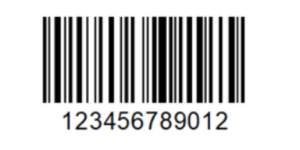
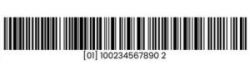
GTIN (Global Trade Item Number)

Sample Barcode
GTIN Barcode
What it is
Global Trade Item Number (Product Identifier)
Primary Purpose

Universally identifies a product use across all sales channels.

Common Use
All sales channels

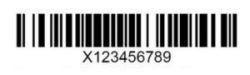
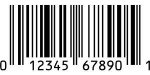
UPC

Sample Barcode
UPC Barcode
What it is
Barcode format that encodes the GTIN
Primary Purpose

Retail point-of-sale scanning used in stores and online. 

Common Use

Retail stores, retail distribution, DTC, ecommerce

FNSKU (Amazon)

Sample Barcode
FNSKU Barcode
What it is
Amazon barcode tied to your seller account
Primary Purpose

Amazon’s barcode that indetifies inventory owned by a specific seller in Amazon’s system. 

Common Use

Amazon FBA, Seller-specific tracking

Code 128

Sample Barcode
Code 128 Barcode
What it is

High-density barcode used in warehouses

Primary Purpose

Common warehouse barcode format that can store more data shipping. 

Common Use

Carton labels, shipping labels, internal tracking, inventory systems

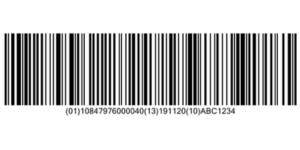
GS1-128

Sample Barcode
CS1-128 Barcode
What it is

GS1 standard barcode with more data

Primary Purpose
Includes additional shipping and product information.
Common Use

Large retailers, wholesale distribution, supply chain partners, 3PL’s

QR Code

Sample Barcode
QR Code
What it is
Two-dimensional barcode that can store large amounts of information
Primary Purpose
Connect physical products to digital content
Common Use

Product registration, manuals & how-tos, marketing, customer support

Frequently Asked Questions About Barcodes

A GTIN is the unique product identifier assigned to an item. A UPC is one of the barcode formats used to display that identifier on product packaging.
Yes. Each unique SKU, including size, color, bundle, or variation, should have its own barcode to ensure accurate inventory tracking.
Amazon commonly uses FNSKU labels for FBA inventory. These labels identify inventory belonging to a specific seller and help Amazon track products throughout its fulfillment network.
No. Each unique product should have its own barcode. Sharing barcodes between products can create inventory discrepancies and fulfillment errors.
Barcodes should be placed on a flat, visible surface that remains accessible during receiving, storage, picking, packing, and shipping operations.
Unreadable barcodes can delay receiving, slow order processing, create inventory discrepancies, and increase labor costs within the warehouse.
Many retailers, marketplaces, and distribution partners prefer or require GS1-issued identifiers because they provide globally recognized product identification standards.
Code 128 is one of the most commonly used warehouse barcode formats because it can store large amounts of information while maintaining reliable scan performance.

No. Product labels identify individual items, while carton labels identify cases, master cartons, or shipments moving through the supply chain.

Yes. Many 3PLs assist brands with barcode verification, Amazon FBA preparation, retail compliance requirements, relabeling projects, and inventory onboarding processes.

Contact MAI Today

Build a Fulfillment Operation That Scales

MAI Fulfillment helps brands implement scalable fulfillment processes that support DTC, Amazon, wholesale, and omnichannel growth without creating unnecessary operational bottlenecks.
Scroll to Top