Customer returns are an inevitable part of the sales process. While it can be a very cumbersome and less than desirable aspect of your business, the extent to which your company successfully manages the return process will leave customers with a lasting impression on your business that can impact future sales. Recent statistics show 97% of all consumers consider the product return process important to whether they shop with a business again. The previous thought process for returns was to make it more difficult for customers, thereby potentially lowering overall returns. However, this couldn’t be further from the truth today. In fact, customer returns should be relatively easy process without complicated steps so that customers will become brand advocates instead of social media nightmares.
What is Reverse Logistics?
Reverse logistics can be defined as activities taking place in the sales process for a product after the product is sold and delivered to the customer. Reverse logistics, or customer returns, can include the process of identifying and validating returns with customers, coordinating return shipment to your returns processing department, shipping additional products or parts to the customer, receiving and processing the returned goods, and properly re-classifying and forwarding returned merchandise back to inventory or to other areas if applicable (such as “to be refurbished” or “to be disposed of”).
The whole point of it is to create a more efficient aftermarket activity so you end up minimizing cost, maximizing efficiency of the process, and “winning” the customer back throughout the process.
What Causes Customer Returns?
There are a number of things that can initiate a customer return. Some of these are ‘quality control’ related, while others are specific to the customer. With regard to ‘quality control’ related items, the most common returns are a result of either mis-shipments or defective products. In the case of a mis-shipment, the return results from the fulfillment department (or fulfillment services company if you outsource) sending out the wrong product. In cases of defective products, either the entire product is defective or a part of the product isn’t working properly, each of which might result in a different course of action for the returns process.
When it comes to the customer, there are a number of ways in which a return can be initiated. First, the product may not fit – requiring another size, etc. Second, the customer may determine that the product didn’t meet their needs. Third, the customer may decide that he or she doesn’t actually want it. Finally, there may not be a reason at all – they just may simply wish to return it.
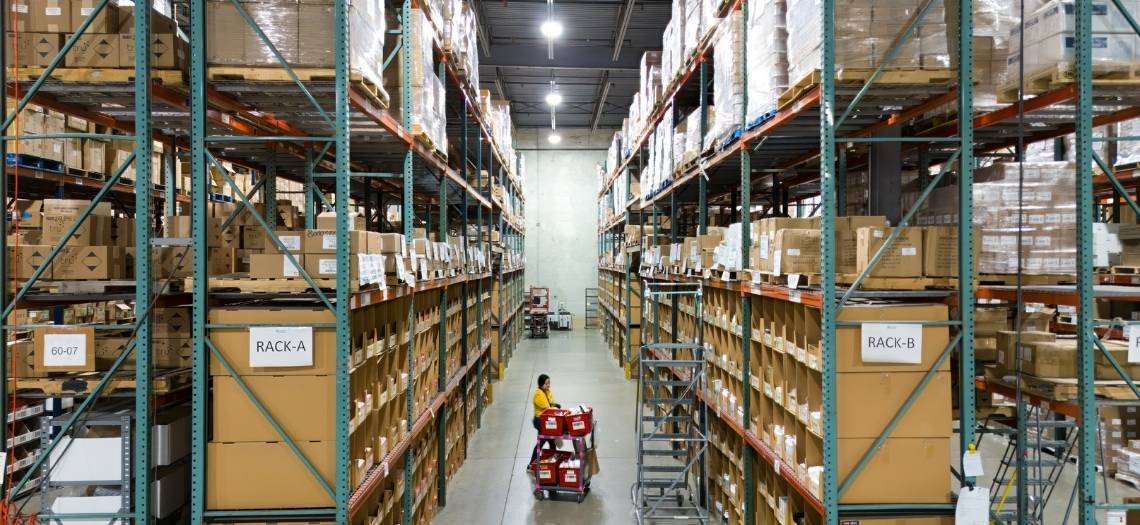
Now that we’ve outlined what returns are and what causes them, we can more effectively outline ways in which you can improve your overall process. Often neglected in the returns process are pre-sales functions that can be used to reduce the risk of returns. With regard to mis-shipments, improving picking and packing procedures can go a long way in terms of reducing errors. Technological advances within the modern-day warehouse have enabled even smaller companies to utilize sophisticated technology to scan, pick and ship products and virtually eliminate errors. If these technologies are outside of your reach, perhaps it’s time to think about outsourcing the process to a professional third party fulfilment center. In terms of customer related returns, companies should do everything possible to adequately show the product in multiple formats online so that customers can truly “touch and feel” the product. Adding photos, thoroughly describing sizes, and even adding video of products will help consumers better understand the product and can have a positive impact on returns.
How to Maximize the Returns Process Before the Sale
Outsourcing Your Return Center
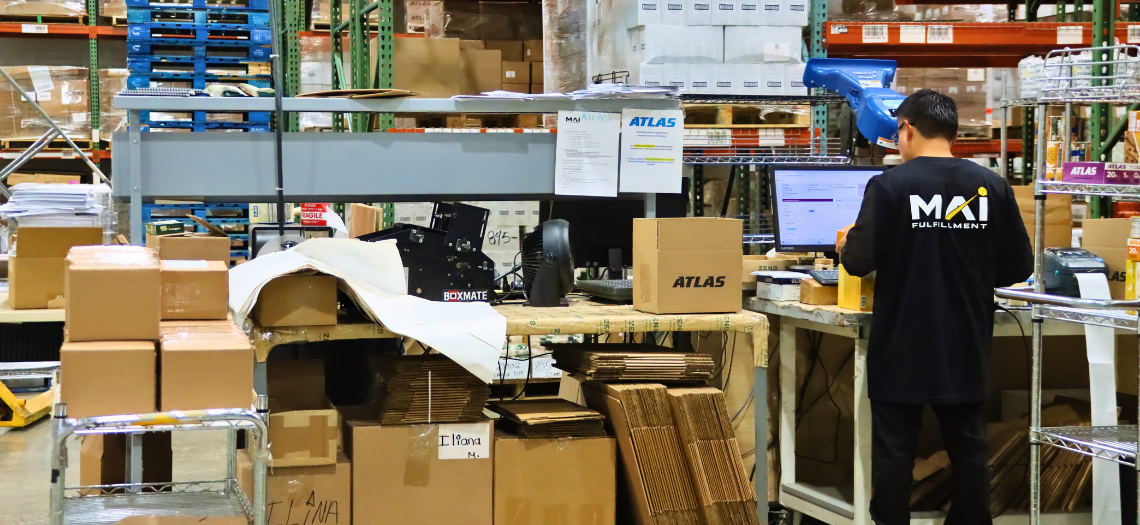
In many case, outsourcing can the returns process can be an effective way to manage returns. Fulfillment centers specialize in handling shipments and returns. One thing to consider, however, is the fulfillment company’s capability with your specific product, and whether or not they have refurbishment capabilities. Additional training may be necessary to properly prepare the center for your specific product.
To know more about MAI’s expertise in contact center and fulfillment services, please contact us today!
If your current 3PL is creating more problems than it solves, MAI Fulfillment can help you build a fulfillment operation that supports growth with more accuracy, visibility, and control.