Fulfillment compliance is not one rule or certification. It is a combination of requirements tied to your products, warehouse activities, sales channels, employees, customers, and transportation methods.
That is why Navigating Fulfillment Industry Regulations starts with a more useful question than “Is my warehouse compliant?” You need to know which requirements apply to each product and process, then make sure your fulfillment operation can execute them consistently.
For growing brands, that matters. A requirement missed at receiving can become a traceability problem months later. A shipping restriction overlooked at packout can stop an order at the carrier. And a warehouse that cannot isolate affected inventory quickly can turn a manageable recall into a much larger problem.
Key Takeaways
Compliance depends on what you sell and how it moves.
The rules that apply to fulfillment can change based on product type, storage conditions, warehouse activity, sales channels, and transportation requirements.
Strong compliance starts before inventory arrives.
Lot tracking, expiration dates, storage requirements, labeling rules, shipping restrictions, and retailer instructions should be defined during SKU onboarding, not discovered during fulfillment.
Brands and 3PLs share responsibility.
Using a 3PL does not transfer every compliance obligation. Both sides should clearly document who owns product requirements, regulatory updates, routing guides, recalls, and shipping restrictions.
Traceability matters most when something goes wrong.
A strong fulfillment operation should be able to identify affected inventory, isolate it quickly, and determine which orders received a specific lot or batch.
Compliance should be built into daily operations.
The goal is not to prepare for an audit once a year. It is to create repeatable processes that make compliance part of receiving, storage, picking, packing, shipping, and returns.
What Is Fulfillment Compliance?
Fulfillment compliance: The processes used to store, handle, document, pack, and ship products according to applicable laws, regulations, safety requirements, and contractual standards.
The exact requirements depend on what you sell and what your fulfillment operation does.
A warehouse handling apparel will face a different compliance profile than one storing dietary supplements, packaged foods, cosmetics, or products containing lithium batteries. Retail and wholesale orders add another layer because individual retailers may impose their own routing, labeling, EDI, pallet, and delivery requirements.
That distinction matters. Government regulations and retailer vendor requirements can both disrupt fulfillment, but they are not interchangeable.
What Regulations Apply to Fulfillment Centers?
OSHA and Warehouse Safety
Warehouse safety is a core compliance requirement.
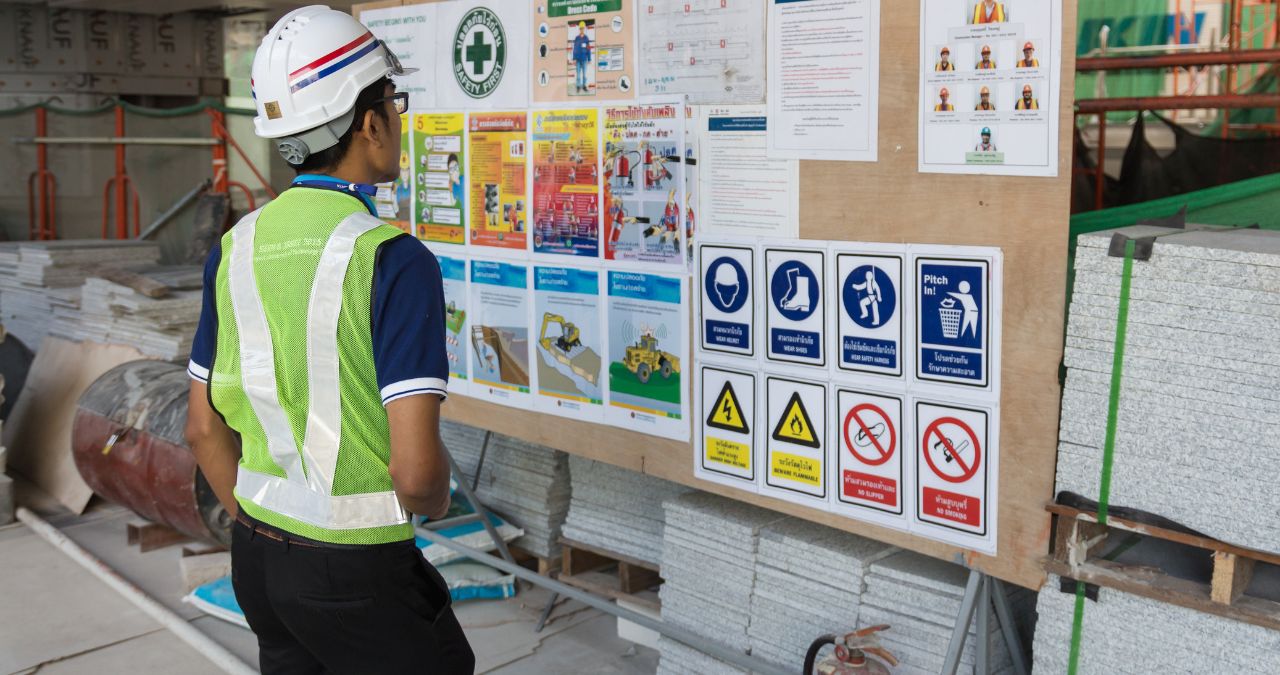
OSHA launched a National Emphasis Program for warehousing and distribution center operations, identifying hazards including powered industrial vehicles, material handling equipment, slips and falls, blocked aisles, heat exposure, ergonomic risks, and struck-by incidents. OSHA reported that transportation and warehousing accounted for 25.7% of work-related injury and illness incidents submitted for 2024, with general warehousing and storage representing 30% of incidents within that sector.
For brands evaluating a 3PL, warehouse safety should not sit outside the compliance conversation. Poor safety controls can interrupt operations just as quickly as poor inventory controls.
FDA Requirements for Food and Supplements
FDA requirements can reach directly into warehouse operations when certain regulated products are stored or handled.
For human food, FDA’s 21 CFR Part 117 includes Current Good Manufacturing Practice requirements applicable to establishments that manufacture, process, pack, or hold food. Facilities that are required to register with FDA generally must also follow applicable requirements, subject to specific exemptions.
Dietary supplements have their own rules under 21 CFR Part 111.
FDA states that dietary supplements must be held under appropriate conditions of temperature, humidity, and light and protected against contamination, deterioration, and mix-ups. The rules also address identifying and controlling rejected products.
That makes inventory controls more than an accuracy issue.
Lot traceability: The ability to identify and follow a specific production lot through receiving, storage, fulfillment, distribution, and, when necessary, recall or quarantine.
If your products require lot or expiration tracking, your fulfillment operation needs to capture that information accurately and preserve it as inventory moves.
DOT and PHMSA Rules for Regulated Shipments
Some products become a compliance issue when they enter transportation.
Lithium batteries are a common example. PHMSA’s current guidance explains that the Hazardous Materials Regulations in 49 CFR Parts 171–180 cover classification, packaging, hazard communication, marking, labeling, documentation, stowage, and handling for regulated hazardous materials.
That can affect electronics, rechargeable devices, fitness products, toys, and other ecommerce categories.
The lesson is simple: shipping rules need to exist at the SKU level. Your team should not discover a transportation restriction after an order reaches the packing station.
FTC and CPSC Requirements Brands Should Not Overlook
Compliance can also reach the customer promise.
Under the FTC’s Mail, Internet, or Telephone Order Merchandise Rule, sellers need a reasonable basis for the shipping time they advertise. If no shipping period is stated, the general rule uses 30 days. When a seller cannot ship within the applicable period, requirements concerning customer consent to delay or refunds may apply.
Fulfillment performance therefore supports more than customer satisfaction. It can affect whether the brand can consistently deliver against the promises it makes.
Product safety creates another operational requirement. A recall or safety issue may require inventory to stop moving immediately. In 2025, the Consumer Product Safety Commission reported issuing more than 88,250 takedown notices involving recalled or violative products on online marketplaces, roughly 50% more than in 2024.
Your warehouse needs to know which inventory to hold before the next order ships.
Does a Fulfillment Center Need FDA Registration?
Some fulfillment facilities holding FDA-regulated products must register, but the requirement depends on the product and activities performed.
For example, FDA guidance states that a warehouse holding food for U.S. consumption is not exempt from food-facility registration simply because it holds that food for only a few hours or one day.
Dietary supplement requirements also extend to applicable holding and distribution activities. Cosmetics operate under a different framework: the Modernization of Cosmetics Regulation Act of 2022, or MoCRA, created FDA facility-registration and product-listing requirements for businesses engaged in cosmetic manufacturing or processing, subject to specified exemptions.
Do not treat “FDA registered” as a universal compliance shortcut. Ask what the registration covers, which activities are performed in the facility, and which controls apply to your specific products.
Fulfillment Compliance Starts Before Inventory Arrives
The strongest compliance process begins during SKU onboarding.
Before inventory reaches the dock, your fulfillment team should know whether a product carries requirements involving:
- Lot or batch tracking
- Expiration dates
- Temperature or environmental conditions
- Restricted or segregated storage
- Special handling
- Transportation classifications
- Labeling or packaging
- Retailer routing requirements
- Quarantine procedures
Waiting until orders arrive is too late.
Build Compliance Requirements Into the WMS
Software cannot decide which laws apply to your products. It can, however, make approved requirements much harder to miss.
Your WMS should support the controls your products require. That may include lot capture at receiving, expiration-date visibility, inventory status controls, restricted locations, FIFO or FEFO workflows, retailer-specific instructions, or order holds.
Compliance by design: Turning known product and channel requirements into repeatable warehouse workflows rather than relying on employees to remember exceptions manually.
That becomes especially valuable as order volume, SKU count, channels, and warehouse activity increase.
How Do 3PLs Ensure Compliance?
A strong 3PL turns requirements into documented, repeatable processes and can show that those processes are being followed.
Look beyond a list of certifications. Ask how the operation handles the actual exceptions that put your inventory at risk.
Can the team isolate a rejected lot? Can it prevent quarantined inventory from allocating to orders? Can it identify which customers received an affected batch? Are receiving and inventory adjustments documented? Who approves a process change?
Those answers tell you more than a badge alone.
Use Traceability, Quarantine and Recall Workflows
A recall is one of the clearest tests of fulfillment control.
If a lot is affected, you should be able to determine what was received, what remains in inventory, where it is located, what shipped, and which orders contained it. Inventory that should not move must be placed on hold quickly and reliably.
That requires connected inventory records and disciplined warehouse execution.
Who Is Responsible for Compliance When You Use a 3PL?
Compliance is often a shared responsibility.
Your brand remains responsible for obligations attached to the products you manufacture, market, import, or sell. Your 3PL is responsible for the legal and operational requirements that apply to its facilities and the activities it performs. Specific contracts can assign additional responsibilities between the parties.
Do not leave the middle undefined.
Document who owns product classification, storage instructions, lot data, retailer routing guides, labeling changes, recall notices, transportation restrictions, and regulatory updates. That prevents a dangerous assumption that the other party is handling it.
How Can You Prepare a Warehouse for a Compliance Audit?
Audit readiness comes from keeping evidence as work happens, not rebuilding it when somebody asks for it.
A well-controlled fulfillment program should be able to produce relevant records such as receiving documentation, inventory adjustments, training records, lot histories, environmental records when required, quarantine activity, SOPs, inspection records, and corrective actions.
Run mock exercises too.
Pick a lot and trace it forward. Select an outbound shipment and trace it backward. Put inventory on hold and confirm the system prevents allocation. Test how quickly your team can retrieve the documentation.
Compliance needs to work under pressure.
Choose a 3PL That Can Operationalize Compliance
You do not need a fulfillment partner that simply says it takes compliance seriously. You need one that can show how requirements become warehouse processes.
Ask about facility registrations and certifications where relevant. Then go deeper. Review lot and expiration capabilities, inventory controls, employee training, receiving procedures, documentation, temperature controls where needed, retailer compliance, and escalation procedures.
At MAI, our approach is built around that operational reality. We combine in-warehouse execution, inventory visibility, configurable workflows, lot and expiration capabilities, and facilities designed to support product categories with more demanding handling requirements.
That is the real goal of Navigating Fulfillment Industry Regulations: know what applies, build the requirements into your operation, document what happens, and choose a fulfillment partner capable of maintaining those controls as your business grows.
Common Fulfillment Compliance Questions
These are common questions brands ask when evaluating fulfillment compliance requirements and the right 3PL to support them.
There is no universal review frequency that applies to every fulfillment requirement. Procedures should be reassessed whenever regulations, products, warehouse activities, sales channels, retailer requirements, transportation classifications, or internal processes change, with scheduled periodic reviews used to catch changes that may otherwise be missed.