
As your ecommerce business grows, so do the demands behind the scenes. More orders mean more complexity. Managing inventory, tracking shipments, handling returns, and meeting rising customer expectations can quickly overwhelm even the most organized operation. Order fulfillment becomes the heartbeat of your business. When it runs smoothly, customers get what they want on time and in perfect condition. That builds trust and drives repeat sales. When it breaks down, the consequences are immediate. Delays frustrate buyers, lead to poor reviews, and can seriously damage your brand.
Fulfillment is more than shipping a box. It is a system that either supports your growth or holds it back. Understanding your options is the first step to gaining control. Whether you are just starting out or scaling fast, the right warehouse strategy makes a difference.
Explore what fulfillment really involves, why it is essential to business growth, and which options support scalable success.
Understanding the Warehouse Fulfillment Process
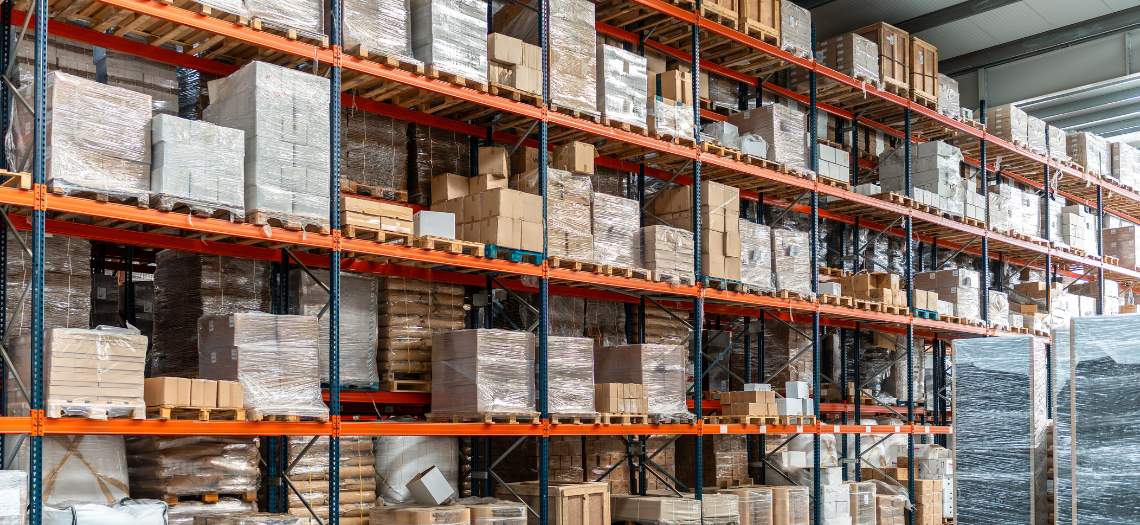
Warehouse fulfillment is the engine that powers ecommerce. It includes every step between receiving your products and getting them into your customers’ hands. This involves storing goods, picking and packing items as orders come in, shipping them efficiently, and processing any returns. It also means managing inventory across your sales channels and ensuring the data stays current.
A strong fulfillment system is not just about moving boxes. It is about creating a streamlined operation that connects your ecommerce platform to your warehouse in real time. Orders are processed automatically, inventory updates instantly, and shipping routes are optimized to reduce delays. From the customer’s perspective, it feels effortless. Behind the scenes, it is a complex system working in harmony.
For growing businesses, fulfillment can either drive momentum or cause costly bottlenecks. The right setup will scale with your demand and adjust to seasonal shifts without breaking down. It should support every part of the customer journey and reinforce the reliability of your brand with every order shipped.
Why it Matters to Your Business
Order fulfillment is no longer just about getting a package out the door. It has become a core part of your brand experience. Customers judge your reliability by how fast and accurately you deliver. Fulfillment operations must be built to meet these expectations at every stage of growth.
1. Fast and reliable shipping
Consistent ship times with clear daily cutoffs and dependable carrier performance. 90% of those surveyed said they are less likely to buy from a brand again after a poor online shopping experience, while 29% say they are increasingly willing to share a negative review online.
2. Same-day and two-day delivery options
Proven ability to meet modern delivery expectations without chaos.
3. Smart inventory control
Real-time inventory tracking that prevents stockouts, overselling, and surprises.
4. Accurate inventory syncing across channels
One source of truth for inventory across DTC, marketplaces, and B2B.
5. Scalability as order volume grows
Operations that work just as well at 10 orders a day as 10,000.
6. Peak-season readiness Staffing, systems, and carrier plans that hold up during surges.
7. Omnichannel fulfillment
One warehouse setup can fulfill orders from 100+ integrations including your website, DTC, Amazon, other marketplaces, and even B2B orders.
8. Unified order management system
No duplicate workflows or manual workarounds between sales channels.
9. Lower shipping costs through rate optimization
Efficient packaging and negotiated carrier rates keep expenses down since shipping fulfillment represents nearly 40% of the global e-commerce fulfillment industry.
10. Packaging optimization expertise
Right-sized packaging to control DIM weight and reduce damage.
11. Order accuracy processes
Barcode scanning, verification steps, and quality control built into workflows.
12. Consistent customer experience
Every order arrives correctly, on time, and in good condition.
13. Returns and reverse logistics support
Clear workflows for inspecting, restocking, refurbishing, or disposing of returns.
14. Kitting and assembly services
Bundles, subscription boxes, inserts, and multi-SKU builds handled in-house.
15. Custom and branded packaging options
Ability to support brand presentation without slowing fulfillment.
16. B2B fulfillment capabilities
Case picks, pallet picks, labeling, routing guides, and retail compliance.
17. Warehouse-based customer support
Account managers who work directly with warehouse operations.
18. Clear onboarding and go-live process
Structured onboarding with testing, validation, and clear timelines.
19. Performance visibility and reporting
Access to KPIs like ship times, order accuracy, and inventory health.
20. Inventory health management
Cycle counts, audits, and proactive inventory monitoring.
21. Facility security and operational standards
Secure warehouses with documented procedures and controls.
22. Compliance for regulated products (when applicable)
Ability to support FDA-regulated, food-grade, or other compliance needs.
23. Transparent, flat-rate pricing
Clear pricing with no hidden or surprise fees.
24. Continuous improvement mindset
Ongoing process optimization, technology investment, and cost-reduction focus.
25. Loyal Customers
Consistent delivery builds trust and drives repeat purchases.
What to Look For in a Fulfillment Partner
Choosing the right fulfillment partner starts with asking the right questions. The partner you select will directly impact your speed, accuracy, and ability to scale. Their systems should align with your business needs and adapt to future growth without disruption. You should ask yourself:
- How many orders can they handle during peak season?
- Do they offer same-day shipping?
- Is their warehouse system integrated with your ecommerce platform?
- Do they support custom packaging and kitting?
- Can they fulfill both DTC and B2B orders?
- Are support teams based in the warehouse or offsite?
- Do they provide transparent pricing with no surprises?
Fulfillment Options for Online Stores
When you manage fulfillment in-house, your team is responsible for storing inventory, picking and packing every order, and coordinating with shipping carriers. This approach can work well in the early stages, especially when order volume is low and you want full control over each step. as demand increases, in-house fulfillment can quickly become a burden. You may run out of space, experience delays in turnaround times, or deal with growing inventory errors. Without automation or a dedicated logistics team, fulfillment can turn into a serious constraint on growth.
Third party logistics providers offer a way to offload that complexity. A 3PL like MAI Fulfillment integrates directly with your sales channels and handles everything from storage to same-day shipping. Orders flow in and the warehouse takes care of the rest. This allows your team to focus on scaling your brand instead of managing pick lists or shipping labels. With the right partner, you get speed, accuracy, and infrastructure that can flex as you grow.
Fulfillment by Amazon is another option for ecommerce brands selling on Amazon’s marketplace. Products are stored in Amazon’s facilities and shipped directly to customers, often with Prime eligibility. While this can help with fast delivery, it comes with limitations. Customization is minimal, fees can be high, and strict requirements can create complexity. It is a solution built for Amazon buyers, not your brand’s long-term experience.
When to Make the Switch
Outsourcing fulfillment is more than a way to cut costs. It is a strategic decision that creates capacity, improves consistency, and strengthens your operational foundation. When your internal team is buried in packing or your systems are hitting their limits, fulfillment can become a roadblock instead of a growth driver.
If inventory mistakes are becoming more common, deliveries are running late, or you are holding back from expanding to new channels because your current setup cannot keep up, it may be time to consider a new approach. A trusted fulfillment partner brings automation, structure, and reliability to every step of the process.
By handing off logistics to experts, your team can focus on what matters most and that is product development, customer experience, and scaling your brand. With the right partner, fulfillment becomes a competitive advantage, not a daily challenge.
Common Mistakes to Avoid
Selecting a fulfillment provider based only on pricing is a short-term play that often backfires. Low-cost options may cut corners on speed, support, or technology, all of which are essential to keeping your brand promise. A slightly higher investment in a partner who can scale with you and deliver reliably will pay off in fewer headaches and happier customers.
Another common misstep is assuming your current workflows will automatically translate to a new partner. Fulfillment success depends on strong onboarding, data accuracy, and well-documented processes. Make sure you build time for training, testing, and feedback loops before going live.
Some businesses also underestimate how central fulfillment is to the overall customer experience. Late shipments, inventory mismatches, or lack of tracking updates can erode trust even if your product is great. Choosing a fulfillment solution that reflects your brand standards is critical to building long-term loyalty.
Why MAI Fulfillment is a Smarter Choice
MAI Fulfillment was built for ecommerce brands that demand speed, accuracy, and scalability without sacrificing control of their customer experience. We pair deep logistics expertise with a powerful tech stack that integrates seamlessly with your sales channels. As soon as an order is placed, our systems activate to ensure inventory is accurate, packaging is on-brand, and shipments go out without delay.
Unlike legacy 3PLs, we operate with a warehouse-based support team that works in sync with fulfillment operations. That means faster answers, fewer errors, and real-time problem solving when you need it most. Whether it’s kitting, subscription box prep, or custom packaging, our process is built around your brand’s unique requirements, not the other way around.
Our platform grows with you. From new product launches to peak season surges, we give you the tools and flexibility to adapt quickly. With same-day shipping for orders placed by 2 PM, automated order routing, and full visibility into every step, MAI helps you reduce friction and keep your customers happy.
We support full integration with Shopify, WooCommerce, Amazon, Etsy, and over 100 other ecommerce platforms. Our transparent flat-rate pricing keeps costs predictable, while eco-friendly packaging options support your sustainability goals without compromising quality. MAI Fulfillment is the partner that keeps your operations lean, your brand strong, and your growth on track.
Ready to Level Up Fulfillment
Reach out to MAI Fulfillment for a fulfillment strategy that grows with your business.
Let’s talk about how to optimize your logistics and start a conversation today